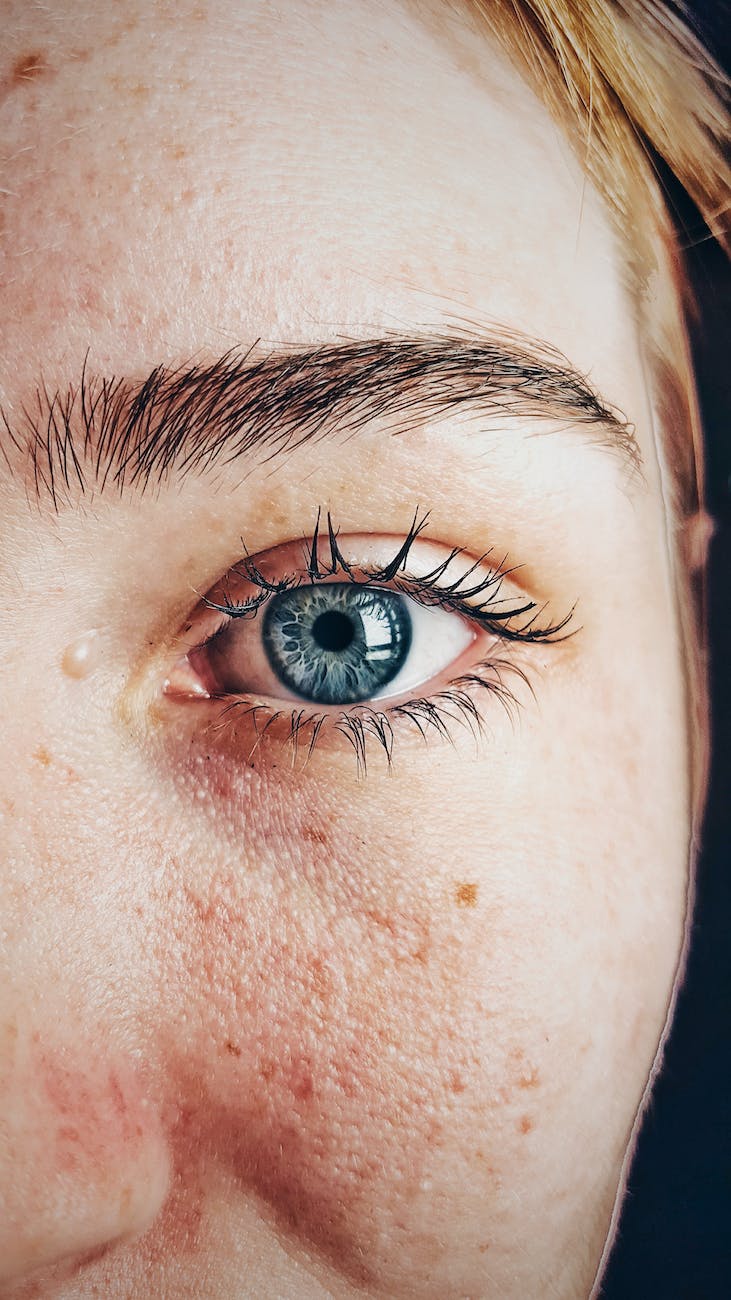
Our skin is the largest organ in the human body and serves as a protective barrier against the environment. However, certain genetic mutations can lead to the development of skin disorders that affect its appearance, texture, and function. In this blog, we’ll delve into the genetics behind some common and rare genetic skin disorders.
- Epidermolysis Bullosa (EB) Epidermolysis Bullosa is a rare genetic disorder that affects the connective tissue in the skin, causing it to be fragile and blister easily. It is caused by mutations in the genes responsible for producing proteins that help hold the skin layers together. There are four main types of EB, with varying degrees of severity, and currently, there is no cure.
- Albinism Albinism is a genetic condition that affects the production of melanin, the pigment that gives color to our hair, skin, and eyes. It is caused by mutations in one of several genes involved in melanin production. People with albinism have little to no melanin in their skin, making them very sensitive to sunlight and prone to sunburn and skin cancer.
- Psoriasis Psoriasis is a chronic autoimmune disease that causes skin cells to grow too quickly, resulting in thick, scaly patches of skin that are often itchy and painful. While the exact cause of psoriasis is unknown, it is believed to be caused by a combination of genetic and environmental factors. Certain genes, such as those involved in the immune system, are thought to play a role in the development of psoriasis.
- Eczema Eczema, also known as atopic dermatitis, is a common skin condition that causes red, itchy, and inflamed skin. It is caused by a combination of genetic and environmental factors, and the exact cause is not yet fully understood. Certain genes that affect the skin’s barrier function and immune system have been linked to the development of eczema.
- Vitiligo Vitiligo is a skin disorder that causes the loss of skin color in patches. It is caused by the destruction of melanocytes, the cells that produce melanin. While the exact cause of vitiligo is unknown, it is believed to be caused by a combination of genetic and environmental factors. Certain genes, such as those involved in the immune system, have been linked to the development of vitiligo.
In conclusion, understanding the genetics behind skin disorders is an important step towards developing effective treatments and finding cures. While some genetic skin disorders are rare and severe, others, such as eczema and psoriasis, are common and can greatly affect a person’s quality of life. By continuing to study the genetics behind these disorders, we can hope to one day find better treatments and eventually, cures.

 Site Title excersise good health for man