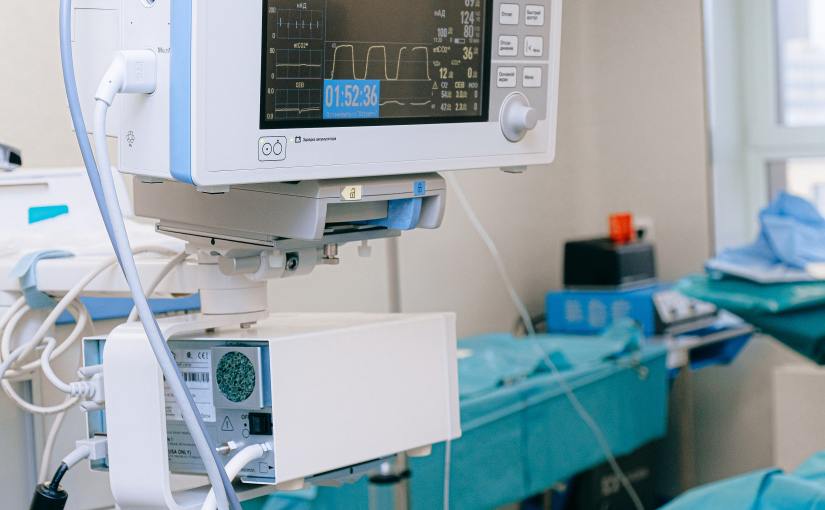
Heart surgery is a complex medical procedure that involves repairing or replacing damaged parts of the heart. It is a major operation that requires
a highly skilled team of medical professionals, including surgeons, anesthesiologists, nurses, and support staff. In this blog post, we will explore different types of heart surgeries and what patients can expect during the process.
Types of Heart Surgeries
There are several different types of heart surgeries, depending on the specific condition that needs to be treated. Some of the most common types include:
- Coronary Artery Bypass Grafting (CABG)
CABG is a procedure used to treat coronary artery disease, which is a condition where the arteries that supply blood to the heart become narrowed or blocked. During this surgery, the surgeon will take a healthy blood vessel from another part of the body, such as the leg or chest, and use it to bypass the blocked artery. This allows blood to flow freely to the heart and reduces the risk of a heart attack.
- Valve Repair or Replacement
Heart valves are responsible for regulating the flow of blood in and out of the heart. When a valve becomes damaged or diseased, it can cause a range of problems, including shortness of breath, fatigue, and chest pain. Valve repair or replacement surgery involves repairing the damaged valve or replacing it with an artificial valve.
- Aortic Aneurysm Repair
An aortic aneurysm is a bulge in the aorta, which is the largest artery in the body. If left untreated, an aneurysm can burst, causing life-threatening bleeding. Aortic aneurysm repair surgery involves replacing the damaged portion of the aorta with a synthetic graft.
What to Expect During Heart Surgery
Heart surgery is a major operation that typically requires a hospital stay of several days or even weeks. Before the surgery, patients will meet with their medical team to discuss the procedure and address any questions or concerns they may have. They may also need to undergo a series of tests, including blood work, imaging scans, and an electrocardiogram (ECG).
During the surgery itself, patients will be given general anesthesia to ensure they are asleep and pain-free throughout the procedure. The surgeon will make an incision in the chest to access the heart and may use a heart-lung bypass machine to temporarily take over the function of the heart and lungs.
After the surgery, patients will be closely monitored in the intensive care unit (ICU) to ensure that their vital signs are stable and there are no complications. They may experience some pain and discomfort, which can be managed with medication. Over time, patients will gradually increase their activity levels and work with physical therapists to rebuild their strength.
Conclusion
Heart surgery is a complex medical procedure that requires a highly skilled team of medical professionals. There are several different types of heart surgeries, each designed to treat a specific condition. While the process can be daunting, many patients experience a significant improvement in their quality of life following the procedure. If you or a loved one is facing heart surgery, it is important to work closely with your medical team to ensure that you receive the best possible care.








 Site Title excersise good health for man